The Ultimate 3-Step Guide to Protecting Construction Materials
Introduction
Protecting construction materials is crucial because they represent a significant portion of a project’s budget. Lumber, steel, cement, and finished components are valuable assets that are often stored on-site, exposed to the elements. Severe weather—from a sudden downpour to a week of intense sun—can cause costly damage, leading to project delays and financial loss.
Effectively protecting your materials is not a luxury; it’s essential risk management. Using the right covering fabrics, such as tarpaulins and netting, is a simple and cost-effective way to provide the necessary protection. This guide will walk you through the primary weather threats and how to counter them.
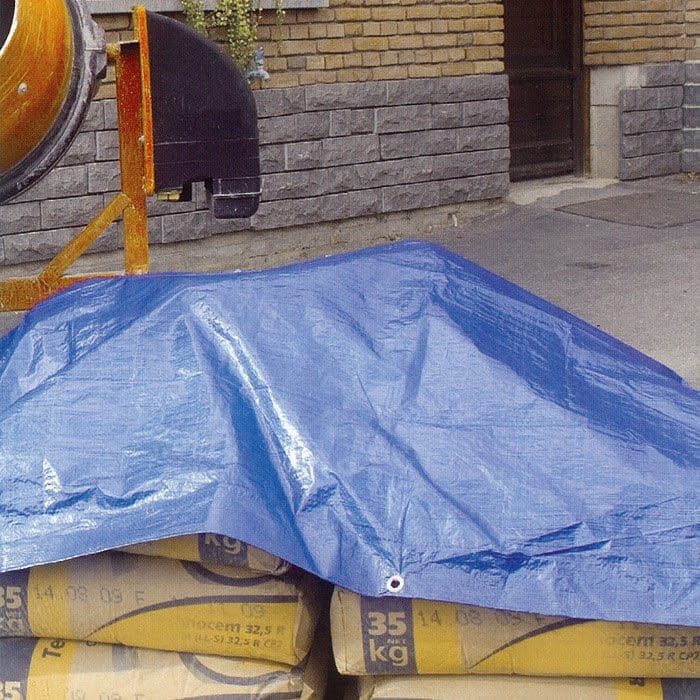
Step 1: The Primary Threats to Your Materials
Understanding the environment is the first step in protecting construction materials. A construction site is exposed to various weather conditions. A quality covering fabric is designed to prevent damage from these common threats:
- Storms and Rain: Moisture is the enemy of many materials. It can warp wood, corrode metal, ruin bagged goods like cement and insulation, and lead to mold growth. A waterproof cover is essential to shield these assets from storms.
- Strong Wind: High winds can scatter loose materials, topple improperly stacked items, and even turn unsecured sheeting into a dangerous projectile. Using covers as a windbreak can protect materials from damage in strong wind areas.
- Strong Sunlight: Constant exposure to the sun’s UV rays can be surprisingly damaging. It can cause plastics to become brittle, fade the finish on siding or fixtures, and degrade the integrity of certain materials over time.
- Frost: In colder climates, frost can damage sensitive materials. The freeze-thaw cycle can crack masonry and compromise the integrity of other items stored outdoors.
Step 2: Choosing the Right Protective Cover
The key to effectively protecting construction materials is selecting the right type of cover for the specific material and threat.
- For Waterproof Protection (Storms): For materials that absolutely must stay dry, such as drywall, wood, and bagged cement, a durable, waterproof PE (Polyethylene) tarpaulin is the best choice. Their laminated construction provides an impermeable barrier against rain.
- For Sun and Debris Protection (Sunlight & Falling Pieces): To protect materials from strong sunlight while still allowing for airflow, a PE Shade Net is an ideal solution. For materials stored near the building structure, a PE scaffolding or debris net can protect them from falling pieces from higher places.
- For Wind Protection (Strong Wind): To create a protective barrier against high winds, a heavy-duty tarpaulin or a specialized Windbreak Net can be used to shield material stockpiles and the general worksite.
Step 3: Best Practices for Securing Materials
Once you’ve chosen the right cover, proper application is crucial. Even the best tarp fails at protecting construction materials if it isn’t secured correctly.
- Cover Completely: Ensure the tarpaulin or net covers the top and sides of the material stack, leaving no gaps for rain or sun to penetrate.
- Secure Tightly: A loose cover can be torn or blown away by strong wind. Use ropes, tie-downs, or weights to fasten the cover securely so it remains in place.
- Elevate Materials: Whenever possible, store materials on pallets or dunnage to keep them off the ground. This prevents moisture from wicking up from the ground, even when covered.
Common Mistakes to Avoid (Bonus Tips)
Even with the best intentions, improper covering can lead to damage. Avoiding these common pitfalls is key to successfully protecting construction materials:
- Trapping Moisture: Wrapping materials too tightly without ventilation is a common error when protecting construction materials. This can create a greenhouse effect, promoting mold growth and rot. Always allow for some airflow.
- Using Damaged Tarps: A tarp with holes offers zero protection. Regularly inspect your covers. Relying on worn-out fabrics defeats the purpose of protecting construction materials from severe weather.
- Ignoring Ground Moisture: Simply covering the top is not enough. Ground moisture can seep up into wood or cement. Always elevate your materials on pallets before covering them.
Conclusion: An Insurance Policy for Your Project
Proactively protecting your construction materials with the right covers is a simple and essential step to prevent waste and keep your project on time and on budget. These strong and anti-aging covering fabrics are a small investment that protects your much larger investment in materials.
We offer a wide range of PE tarpaulins and netting suitable for all construction site applications. Contact our experts today to find the perfect solution to protect your valuable materials from severe weather.
FAQ: Frequently Asked Questions
Q1: What is the best way regarding protecting construction materials from rain?
A: The most effective method is using heavy-duty PE tarpaulins. They provide a 100% waterproof barrier. Ensure the tarps are securely tied down to prevent wind from lifting them and exposing the materials.
Q2: How do I protect lumber from sun damage on site?
A: Prolonged sun exposure can warp wood. Use PE Shade Nets or breathable tarps that block UV rays while allowing air circulation. This prevents heat buildup and moisture trapping, which can cause rotting.
Q3: Can I leave construction materials on the ground if covered?
A: It is highly recommended to elevate materials using pallets or dunnage (Step 3). Even with a cover, moisture can wick up from the ground and damage the bottom layers of cement, drywall, or wood.
External Links
https://www.facebook.com/primetarp
https://www.linkedin.com/company/primetarp
Internal Links