4 Key Features of Industrial Tarps Used in Shipyards
Introduction
A shipyard is one of the most demanding industrial environments imaginable. Assets are constantly exposed to a harsh combination of corrosive saltwater spray, intense UV sun, high winds, and heavy-duty industrial processes like welding and steel fabrication. Protecting multi-million dollar vessels, sensitive equipment, and work areas in these conditions requires much more than just a standard cover—it requires a specialized, industrial-grade tarpaulin engineered for extreme durability.
This guide will walk through the 4 non-negotiable features that Industrial Tarps Used in Shipyards must have to perform reliably in a harsh marine environment.
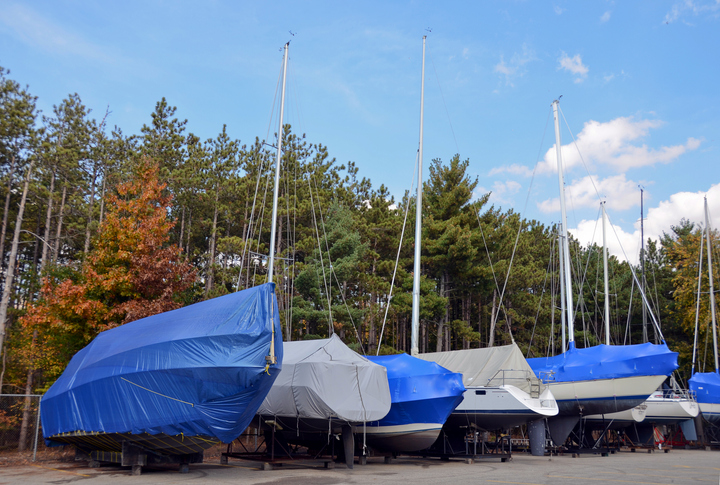
1. Extreme Durability and Abrasion Resistance
Shipyard work involves constant physical contact with highly abrasive surfaces, from jagged steel hulls to rough scaffolding. The tarpaulin must be tough enough to resist severe punctures, tears, and general wear.
This calls for a heavy-duty fabric with a high weight. Typically, shipyard applications require Super Heavy Duty PE (Polyethylene) ranging from 250 to 300+ GSM, or premium PVC (Polyvinyl Chloride) coated fabrics ranging from 600 to 900 GSM. These dense, strong weave materials are specifically built to withstand the physical rigors of an industrial setting without failing.
2. Complete Weatherproofing and Marine Resistance
A shipyard tarp must provide an absolutely impermeable barrier against unpredictable coastal elements. Its primary job is to protect against:
Storms and Rain: The material must feature a 100% waterproof hydrostatic resistance to keep vessel interiors, sensitive electrical equipment, and active work areas bone-dry during heavy rainstorms.
Strong Wind: Located in open, coastal areas, shipyards are prone to high winds often exceeding 50-60 mph. The tarp must be a high-tensile strength fabric, capable of withstanding aggressive wind whipping without tearing or losing its shape.
Corrosive Salt Spray: Unlike standard inland covers, the fabric and all its metal components (like grommets) must be highly resistant to the corrosive, rust-inducing effects of constant saltwater exposure.
3. Superior UV Resistance
Constant exposure to strong sunlight—which is often intensely amplified by UV reflection off the ocean water—can rapidly degrade inferior plastic materials. A high-quality shipyard tarp must act as an “anti-aging covering fabric” engineered with a powerful UV-stabilized treatment. This protects the tarp’s internal polymer structure, preventing it from becoming brittle, shrinking, or cracking, thus ensuring a multi-year service life under the harsh sun.
4. Robust Construction and Reinforcement
The sheer massive size of Industrial Tarps Used in Shipyards and their exposure to heavy tension mean that their physical construction is just as important as the fabric itself.
- Reinforced Hems and Corners: To prevent the eyelets from ripping out under high wind tension, heat-welded seams, rope-reinforced hems, and durable, multi-layered plastic corner reinforcements are absolutely essential.
- Strong and Secure Eyelets: Heavy-duty, tightly spaced eyelets (grommets) made of rust-proof brass or stainless steel are necessary for securing the large covers with steel cables and bungee cords, ensuring they stay locked in place.
PE vs. PVC: Which Tarp is Best for Shipyards?
When sourcing industrial tarps for shipyards, buyers usually choose between Heavy Duty PE and PVC. Here is a quick technical comparison:
| Feature | Heavy Duty PE Tarp (250g+) | Heavy Duty PVC Tarp (600g+) |
|---|---|---|
| Weight & Handling | Lighter, easier to maneuver | Heavy, requires a crew to install |
| Abrasion Resistance | High | Extreme (Best for sharp steel) |
| Lifespan in Marine Areas | 1 to 3 Years | 5+ Years |
| Best Application | Temporary scaffolding, material cover | Long-term vessel covers, heavy fabrication |
Common Applications in Shipyards
How are these heavy-duty fabrics utilized daily on the docks?
- Vessel Covers: Creating large, temporary “tents” or shrink-wrap-style covers over ships and luxury yachts during construction, refitting, or winter repair.
- Welding and Blasting Curtains: Using specialized flame-retardant PVC tarps to contain sparks, sandblasting dust, and toxic debris within a specific work area, ensuring shipyard worker safety.
- Equipment and Material Protection: Covering sensitive dockside machinery, generators, tools, and raw steel materials stored outdoors.
- Scaffolding Enclosures: Wrapping massive scaffolding structures to create a controlled, wind-free environment for spray painting or hull repairs, similar to how scaffolding nets are used on high-rise buildings.
Safety and Compliance: Why Industrial Tarps Used in Shipyards Need Special Certifications
When sourcing Industrial Tarps Used in Shipyards, worker safety is just as critical as durability. Shipyards are high-risk environments with strict OSHA and maritime safety regulations.
- Flame Retardancy (FR): Because of constant welding, grinding, and torch cutting, standard plastic covers are a massive fire hazard. High-quality Industrial Tarps Used in Shipyards must be certified flame retardant (e.g., NFPA 701 or B1 standards) to prevent stray sparks from igniting a catastrophic fire.
- Anti-Static Properties: In areas where painting or fuel transfer occurs, static electricity buildup on a plastic tarp can cause explosions. Specialized anti-static PVC tarps are often required.
- High-Visibility: For safety protocols, many maritime contractors prefer bright colors (like safety orange or yellow) for specific work zones to ensure crane operators and heavy machinery drivers can clearly see the covered areas.
Why Source from a Professional Tarpaulin Manufacturer in Vietnam?
In the high-stakes environment of a shipyard, the quality of your protective materials can determine the success of a multi-million dollar refit or construction project. Choosing to work with a professional PE tarp manufacturer ensures that you receive fabrics engineered specifically for the extreme rigors of marine and industrial use.
From our specialized tarpaulin factory in Vietnam, we produce heavy-duty covers that integrate advanced UV stabilizers and flame-retardant additives to meet international maritime safety codes. As a premier tarpaulin manufacturer in Vietnam, we provide factory-direct, customized solutions that offer superior resistance to corrosive salt spray and high-tensile strength for coastal winds. By sourcing directly from our facility, shipyard contractors can secure a “strong and anti-aging covering fabric” that guarantees uncompromising protection and long-term durability for every vessel and piece of dockside equipment.
Conclusion: Choosing the Right Tarp for the Marine Environment
Selecting the right tarp for shipyard use is a critical financial decision that directly impacts project timelines, worker safety, and overall profitability. By prioritizing extreme durability, complete weatherproofing, superior UV resistance, and robust construction, you can ensure your multimillion-dollar assets are protected.
Our Super Heavy Duty PE and PVC tarpaulins are specifically engineered to meet these demanding marine requirements. Contact our experts today to discuss your specific shipyard application, and we will help you select a custom solution that is built to last in the toughest coastal conditions.
FAQ: Frequently Asked Questions
Q1: Do shipyard tarps need to be flame retardant?
A: It depends on the application. If the tarp is used near hot work areas like welding, cutting, or grinding, you must use a specialized Flame Retardant (FR) PVC or fiberglass tarp to meet shipyard safety regulations and prevent catastrophic fires.
Q2: Will the metal eyelets (grommets) rust in the salty sea air?
A: Standard aluminum or cheap steel grommets will rust quickly in a shipyard. Premium marine-grade tarps use rust-proof brass or stainless steel eyelets specifically to prevent corrosion from saltwater spray.
Q3: How do you secure such large tarps in extreme coastal winds?
A: For massive shipyard covers, standard ropes are not enough. Installation crews use heavy-duty bungee cords (which absorb sudden wind shocks) passed through tightly spaced, reinforced grommets, often anchored directly to the scaffolding or the ship’s heavy steel cleats.
External Links
https://www.facebook.com/primetarp
https://www.linkedin.com/company/primetarp
Internal Links